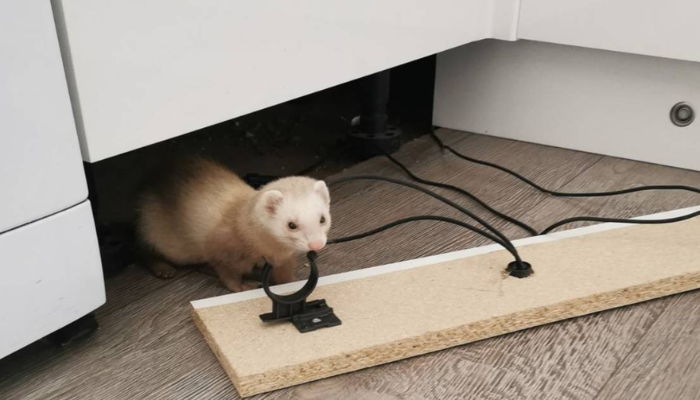
A stray ferret is not something you come across every day, which is exactly why spotting one can be both surprising and confusing. These small, energetic creatures are often mistaken for wild animals, yet most ferrets found roaming outdoors are actually domesticated pets that have either escaped or been abandoned. Understanding how to respond when you encounter a stray ferret is essential—not just for your safety, but for the animal’s survival.
Ferrets are highly curious and social animals, but they are not well-equipped to survive in the wild for long periods. Unlike wild mammals, domesticated ferrets depend heavily on human care for food, shelter, and protection. This means that when you see a stray ferret, time is critical. Acting quickly and responsibly can make a life-saving difference. In this guide, we will explore everything you need to know about stray ferrets—from identification and behavior to rescue, care, and prevention.
Understanding What a Stray Ferret Is and Why It Happens
A stray ferret is typically a domesticated ferret that has either escaped from its home or been intentionally abandoned. Unlike wild relatives such as polecats, pet ferrets lack the survival instincts needed to thrive outdoors. Their playful nature often leads them to wander through small openings, making accidental escapes surprisingly common.
There are several reasons why ferrets become stray. One of the most common is inadequate housing or supervision. Ferrets are skilled escape artists and can squeeze through incredibly small gaps. Additionally, some owners may underestimate the responsibility of caring for a ferret and choose to release them into the wild, not realizing the harm it causes. Unfortunately, abandonment often results in dehydration, starvation, or injury.
Recognizing that most stray ferrets are former pets is key to understanding their behavior. They may approach humans out of curiosity or hunger, unlike wild animals that tend to avoid contact. This domesticated background also means they are more vulnerable to predators, extreme weather, and disease, making human intervention crucial.
How to Identify a Stray Ferret and Assess Its Condition
Identifying a stray ferret can be relatively straightforward if you know what to look for. Ferrets have long, slender bodies, short legs, and a distinctive face mask pattern. Their fur can vary in color, including sable, albino, and black. If you spot an animal with these characteristics in an urban or residential area, there’s a high chance it is a stray ferret.
Behavior is another important indicator. A stray ferret may seem unusually friendly or curious, often approaching people or exploring objects without fear. This is a clear sign of domestication. However, some stray ferrets may appear frightened, lethargic, or aggressive if they have been outside for an extended period. These behavioral cues can help you assess the urgency of the situation.
Physical condition also matters. Look for signs of malnutrition, dehydration, or injury. A healthy ferret should have a sleek coat and bright eyes. If the animal appears thin, dirty, or weak, it likely needs immediate care. Checking for identification, such as a microchip (with veterinary help), can also aid in reuniting the ferret with its owner.
Steps to Safely Rescue a Stray Ferret
Rescuing a stray ferret requires patience and caution. While ferrets are generally friendly, a scared or injured animal may bite or scratch in self-defense. Start by approaching slowly and calmly, avoiding sudden movements that might startle the ferret. Speaking softly can help reassure the animal.
If possible, offer food to gain the ferret’s trust. Small pieces of cooked meat or specialized ferret food can work well. Once the ferret is comfortable, you can attempt to gently pick it up using a towel or gloves for protection. Placing the ferret in a secure carrier or box with ventilation is essential to prevent escape during transport.
After securing the ferret, the next step is to contact local animal shelters or veterinarians. They can check for a microchip and provide immediate medical care if needed. Posting on local community groups or pet recovery platforms can also help locate the owner. Acting quickly increases the chances of a successful reunion.
Caring for a Stray Ferret Before Finding Its Owner
If you are unable to immediately locate the owner, you may need to provide temporary care for the stray ferret. Start by creating a safe and comfortable environment. A secure cage or enclosed space with soft bedding will help the ferret feel protected. Ensure the area is free from hazards, as ferrets are naturally inquisitive and can get into trouble easily.
Feeding is another critical aspect of care. Ferrets are obligate carnivores, meaning they require a diet high in protein and fat. Commercial ferret food or high-quality kitten food can be used in the short term. Fresh water should always be available to prevent dehydration.
Social interaction is equally important. Ferrets are social animals and can become stressed if left alone for long periods. Gentle handling and playtime can help build trust and reduce anxiety. However, it’s important to monitor the ferret’s health and behavior closely, and seek veterinary assistance if you notice any signs of illness or distress.
Preventing Ferrets from Becoming Stray in the First Place
Prevention is always better than rescue, and there are several steps ferret owners can take to ensure their pets do not become stray. The first and most important measure is securing the home environment. Ferrets can squeeze through openings as small as a few centimeters, so sealing gaps and ensuring cages are escape-proof is essential.
Supervised playtime is another key factor. Allowing ferrets to roam freely without supervision increases the risk of escape. Owners should always keep a close eye on their pets, especially in unfamiliar environments. Using harnesses and leashes for outdoor activities can also provide an extra layer of safety.
Education plays a vital role in prevention. Understanding the needs and behaviors of ferrets helps owners provide better care and avoid situations that may lead to abandonment. Responsible ownership not only protects the pet but also reduces the number of stray ferrets in the community.
Conclusion: Why Every Stray Ferret Deserves a Second Chance
A stray ferret is more than just a lost animal—it is a vulnerable pet in need of care and compassion. By understanding their behavior, recognizing their needs, and taking appropriate action, you can play a crucial role in ensuring their safety and well-being. Whether it’s rescuing a ferret, providing temporary care, or helping reunite it with its owner, every effort counts.
These intelligent and affectionate creatures rely on humans for survival, making it our responsibility to protect them. With proper awareness and proactive measures, we can reduce the number of stray ferrets and ensure that every ferret has a safe and loving home.
FAQs About Stray Ferrets
1. What should I do if I find a stray ferret?
Approach calmly, secure the ferret safely, and contact a local vet or animal shelter for assistance.
2. Are stray ferrets dangerous?
Most are not dangerous, but they may bite if scared or injured.
3. Can a stray ferret survive in the wild?
No, domesticated ferrets struggle to survive without human care.
4. How can I tell if a ferret is stray or wild?
Friendly behavior and presence in urban areas usually indicate a stray ferret.
5. What do stray ferrets eat?
They require high-protein diets, typically meat-based foods.
6. Should I keep a stray ferret if I find one?
Only temporarily, while attempting to locate the owner or contacting authorities.
7. How do ferrets escape from homes?
They squeeze through small openings or find unsecured exits.
8. Can I bathe a stray ferret?
Yes, but only if necessary and using appropriate pet-safe products.
9. How long can a stray ferret survive outside?
Usually only a few days to weeks, depending on conditions.
10. How can I prevent my ferret from becoming stray?
Secure your home, supervise playtime, and educate yourself on proper ferret care.
About the Author