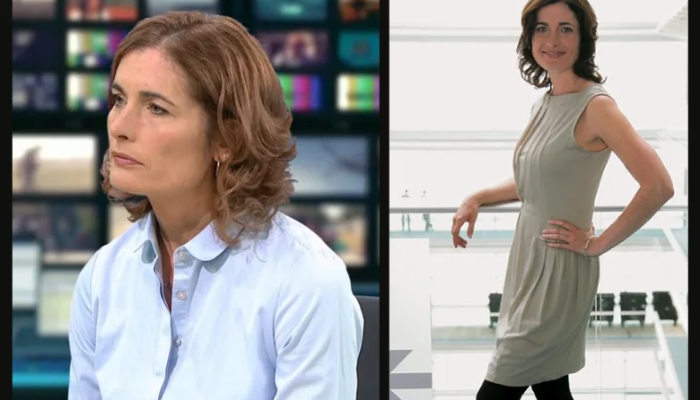
Romilly Weeks illness has become a topic of widespread curiosity and concern among viewers who admire her calm authority, professionalism, and long-standing presence in British broadcast journalism. As a familiar face on television, Romilly Weeks has earned trust through years of credible reporting, which naturally leads audiences to care deeply when questions arise about her well-being. In today’s media-driven environment, even brief absences or subtle changes can spark public discussion, making it essential to approach such topics with care, accuracy, and respect.
This article explores Romilly Weeks illness in a responsible and informative way, focusing on verified information, public context, and the broader conversation surrounding health, privacy, and public figures. Rather than speculation, the goal is to provide clarity, explain why interest has grown, and highlight how discussions about illness can foster empathy and awareness. By examining public reactions, media ethics, and the importance of boundaries, this comprehensive guide offers readers a balanced understanding of the topic.
Who Is Romilly Weeks and Why Public Interest Exists
Romilly Weeks is a respected British journalist and television presenter, best known for her work with the BBC. Over the years, Romilly Weeks has built a reputation for reliability, clarity, and professionalism, regularly delivering national and international news to millions of viewers. Her composed on-screen presence has made her a trusted voice, which explains why any perceived change in her routine quickly attracts attention.
Public interest in Romilly Weeks illness stems not from sensationalism alone, but from familiarity. Viewers often form a strong connection with broadcasters they see daily, creating a sense of shared experience. When a well-known presenter appears less frequently or is temporarily absent, audiences naturally wonder about the reason. This interest is amplified in the digital age, where discussions spread rapidly across social platforms and online forums.
At the same time, it is important to recognize that public figures, including journalists, are entitled to privacy regarding their personal health. While curiosity is understandable, responsible reporting and readership require restraint. Understanding who Romilly Weeks is—and why people care—helps frame the conversation around compassion rather than intrusion.
Romilly Weeks Illness: Public Information Versus Speculation
When discussing Romilly Weeks illness, a clear distinction must be made between confirmed public information and unverified speculation. To date, Romilly Weeks has not publicly disclosed detailed medical information about any illness, and no official statements have outlined a specific diagnosis. This lack of confirmation is significant and should guide how the topic is approached.
Speculation often arises from observable changes, such as reduced screen time or schedule adjustments. However, these changes can occur for many reasons unrelated to illness, including professional commitments, personal time off, or routine rotations within broadcast teams. Assuming illness without confirmation risks spreading misinformation and infringing on personal boundaries.
Responsible discussion of Romilly Weeks illness focuses on acknowledging public concern while emphasizing that health details remain private unless voluntarily shared. This approach not only protects the individual involved but also sets a standard for how audiences engage with stories about public figures. In an era where rumors can travel faster than facts, restraint becomes a form of respect.
Media Ethics, Privacy, and Health Disclosure
The conversation around Romilly Weeks illness highlights broader issues of media ethics and privacy. Journalists often report on the lives of others, yet they themselves are entitled to the same dignity and confidentiality as anyone else. Ethical media practice requires avoiding conjecture and ensuring that any health-related reporting is based on verified, consensual information.
Health is a deeply personal matter, and public disclosure should always be a choice, not an expectation. While some public figures choose to share their experiences to raise awareness or support others, many prefer to keep such matters private. Both choices are valid and deserving of respect. In Romilly Weeks’ case, the absence of detailed public statements suggests a preference for privacy.
By examining Romilly Weeks illness through an ethical lens, readers can better understand the balance between public interest and individual rights. This perspective encourages empathy and reminds audiences that visibility in the public eye does not negate personal autonomy.
Public Reaction and the Role of Audience Empathy
Public response to discussions about Romilly Weeks illness has largely reflected concern and goodwill. Many viewers express support, emphasizing appreciation for her work and hoping for her continued well-being. This reaction demonstrates how audiences can engage positively when faced with uncertainty, choosing empathy over rumor.
Empathy plays a crucial role in shaping healthier media conversations. Instead of demanding answers, supportive audiences acknowledge that everyone—regardless of status—faces challenges. This attitude can reduce pressure on public figures and discourage invasive speculation. In turn, it fosters a media culture rooted in kindness and understanding.
The way people respond to Romilly Weeks illness also sets an example for discussions about other public figures. When empathy leads the conversation, it becomes easier to maintain respectful boundaries while still expressing care and concern.
Broader Awareness: Illness, Work, and Public Life
Beyond the individual case, Romilly Weeks illness opens a wider dialogue about health and professional life. Many people, whether public figures or not, manage health concerns while maintaining demanding careers. The difference is visibility: when someone works on television, even minor changes can be noticed and scrutinized.
This reality underscores the importance of normalizing conversations about health without sensationalism. Illness, recovery, and rest are natural parts of life, not indicators of weakness or failure. When audiences understand this, they are less likely to jump to conclusions and more likely to support balanced narratives.
By situating Romilly Weeks illness within this broader context, the discussion shifts from curiosity about one individual to awareness of how society treats health in the workplace. This shift can encourage more compassionate attitudes toward colleagues, public figures, and oneself.
Conclusion
Romilly Weeks illness remains a topic shaped more by public curiosity than confirmed information. What is clear, however, is the respect Romilly Weeks commands as a journalist and the genuine concern audiences feel for her well-being. In the absence of verified details, the most responsible approach is one rooted in empathy, privacy, and ethical awareness.
This article has explored who Romilly Weeks is, why interest in her health has emerged, and how such discussions reflect broader societal attitudes toward illness and public life. By choosing understanding over speculation, readers contribute to a healthier media environment—one that values both information and humanity. Ultimately, respecting boundaries is not only ethical but also a powerful expression of care.
Frequently Asked Questions (FAQs)
1. What is meant by “Romilly Weeks illness”?
It refers to public curiosity about Romilly Weeks’ health, largely driven by viewer concern rather than confirmed medical disclosures.
2. Has Romilly Weeks confirmed any specific illness?
No, there has been no public confirmation or detailed statement regarding a specific illness.
3. Why are people discussing Romilly Weeks’ health?
Interest appears to stem from her visibility as a broadcaster and occasional changes in on-screen appearances.
4. Is it appropriate to speculate about a journalist’s health?
Speculation is generally discouraged, as health is a private matter unless the individual chooses to share details.
5. Has the BBC released any statements about Romilly Weeks illness?
There have been no official statements outlining health-related issues.
6. Does absence from television always indicate illness?
No, absences can result from many factors, including scheduling changes or personal time.
7. Why do viewers feel connected to TV presenters like Romilly Weeks?
Regular exposure builds familiarity and trust, leading audiences to care about presenters’ well-being.
8. Can discussing public figures’ health raise awareness?
Yes, but only when based on verified information and shared with consent.
9. How should audiences respond to uncertainty about a public figure’s health?
With empathy, patience, and respect for privacy.
10. What is the key takeaway regarding Romilly Weeks illness?
The most important point is to prioritize compassion and avoid spreading unverified information.
About the Author