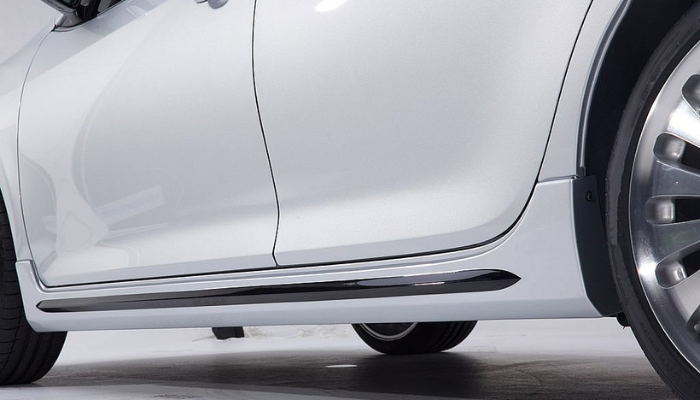
A rocker panel is one of those vehicle components most drivers rarely think about—until it becomes damaged. Located along the lower sides of a vehicle between the front and rear wheel wells, the rocker panel serves both structural and aesthetic purposes. Despite its subtle placement, it plays a vital role in maintaining the integrity, safety, and overall appearance of a car, truck, or SUV.
The rocker panel is especially important because it absorbs stress, supports the vehicle’s frame, and protects against road debris, moisture, and corrosion. Whether you are a car owner, automotive enthusiast, or someone researching repair options, understanding the rocker panel can help you make informed decisions about maintenance, safety, and long-term vehicle value.
Understanding the Rocker Panel: Definition, Location, and Purpose
The rocker panel is a metal or reinforced component installed along the side of a vehicle’s body, directly beneath the doors. It runs horizontally from the front fender to the rear quarter panel and forms a critical connection between the front and rear sections of the vehicle frame. Because of its location, it is constantly exposed to dirt, water, salt, and debris kicked up from the road.
From a structural standpoint, the rocker panel helps maintain body rigidity. It supports the doors, contributes to crash protection, and ensures the vehicle does not flex excessively during driving. In unibody vehicles, which make up most modern cars, the rocker panel is especially important because it replaces the traditional body-on-frame structure.
Beyond structure, the rocker panel also has a protective role. It shields the underside of the vehicle from moisture intrusion and debris damage. Many vehicles also use rocker panels to enhance styling, giving the car a sleek, finished look that complements the overall body design.
Types of Rocker Panels and Materials Used
Not all rocker panels are created equal. The type of rocker panel used depends on the vehicle’s design, purpose, and manufacturing standards. The most common distinction is between inner rocker panels and outer rocker panels. The inner rocker panel contributes more to structural integrity, while the outer rocker panel is often visible and plays a larger role in aesthetics.
Materials also vary significantly. Traditional rocker panels are typically made of stamped steel due to its strength and affordability. However, modern vehicles may use aluminum or reinforced composite materials to reduce weight while maintaining durability. Each material has advantages: steel is strong and repair-friendly, aluminum is lightweight and corrosion-resistant, and composites offer flexibility in design.
Some vehicles, especially trucks and off-road models, include reinforced rocker panels or rocker guards. These are designed to withstand impacts from rocks, curbs, and uneven terrain. While these heavy-duty options add weight, they significantly improve protection and longevity in harsh driving conditions.
Common Rocker Panel Problems and Signs of Damage
Because of their low placement, rocker panels are highly vulnerable to damage. One of the most common issues is rust, particularly in regions with high humidity or frequent road salt use. Moisture can become trapped inside the rocker panel, leading to corrosion from the inside out—often unnoticed until the damage becomes severe.
Physical damage is another frequent problem. Scraping against curbs, speed bumps, or road debris can dent or crack the rocker panel. Even minor impacts can compromise its protective coating, making it more susceptible to rust and long-term deterioration. Over time, this damage can spread and affect nearby components.
Warning signs of rocker panel damage include visible rust spots, bubbling paint, soft or crumbling metal, misaligned doors, and unusual creaking noises when entering or exiting the vehicle. Ignoring these signs can lead to serious structural issues, reduced safety, and costly repairs down the line.
Rocker Panel Repair vs. Replacement: What You Need to Know
When a rocker panel is damaged, the next decision is whether to repair or replace it. Minor surface rust or small dents can often be repaired through sanding, welding, and repainting. These repairs are generally more affordable and suitable when the structural integrity of the panel is still intact.
However, extensive rust or severe impact damage usually requires full rocker panel replacement. This process involves cutting out the damaged section and welding in a new panel. While more expensive, replacement restores the vehicle’s structural strength and prevents further corrosion from spreading to other areas.
The cost of rocker panel repair or replacement varies depending on vehicle type, material, labor rates, and severity of damage. While repair may seem like a cheaper option initially, replacement is often the better long-term investment when corrosion is advanced. A properly installed rocker panel can significantly extend the life and safety of a vehicle.
Preventing Rocker Panel Damage and Extending Vehicle Lifespan
Preventive care is key to keeping your rocker panel in good condition. Regular washing, especially during winter months, helps remove salt and grime that contribute to corrosion. Paying extra attention to the lower sides of the vehicle can make a noticeable difference in long-term durability.
Applying protective coatings such as underbody sealants or rust inhibitors can also extend the lifespan of rocker panels. These treatments create a barrier against moisture and debris, reducing the risk of corrosion. For vehicles in harsh climates, annual inspections are highly recommended.
Driving habits also matter. Avoiding curbs, deep puddles, and rough terrain can minimize physical damage. Parking in covered or dry areas further reduces exposure to moisture. By combining regular maintenance with mindful driving, vehicle owners can significantly reduce the likelihood of rocker panel issues.
Conclusion: Why the Rocker Panel Deserves Attention
The rocker panel may not be the most visible part of a vehicle, but its importance cannot be overstated. From providing structural strength and safety to protecting against environmental damage, it plays a crucial role in overall vehicle performance and longevity. Ignoring rocker panel issues can lead to costly repairs and compromised safety.
Understanding how rocker panels work, recognizing early signs of damage, and investing in proper maintenance can save time and money in the long run. Whether you are maintaining a daily driver or restoring a classic vehicle, giving attention to the rocker panel is a smart and necessary step.
Frequently Asked Questions (FAQs)
1. What is a rocker panel on a car?
A rocker panel is a structural component located beneath the doors, connecting the front and rear sections of a vehicle.
2. Why is the rocker panel important?
It provides structural support, improves safety, and protects the vehicle from road debris and corrosion.
3. Can you drive with a damaged rocker panel?
Minor damage may be drivable, but severe rust or structural damage can compromise safety and should be addressed immediately.
4. How much does rocker panel repair cost?
Costs vary, but minor repairs can be affordable, while full replacements are more expensive due to labor and materials.
5. What causes rocker panel rust?
Moisture, road salt, dirt buildup, and damaged protective coatings are the primary causes.
6. Can rocker panels be replaced?
Yes, damaged rocker panels can be cut out and replaced with new ones to restore structural integrity.
7. Are rocker panels structural components?
Yes, especially in unibody vehicles, rocker panels are critical structural elements.
8. How long do rocker panels last?
With proper maintenance, rocker panels can last the lifetime of the vehicle.
9. Do all vehicles have rocker panels?
Most modern cars, trucks, and SUVs have rocker panels, particularly unibody designs.
10. How can I protect my rocker panel from damage?
Regular cleaning, rust protection treatments, careful driving, and routine inspections help prevent damage.
About the Author