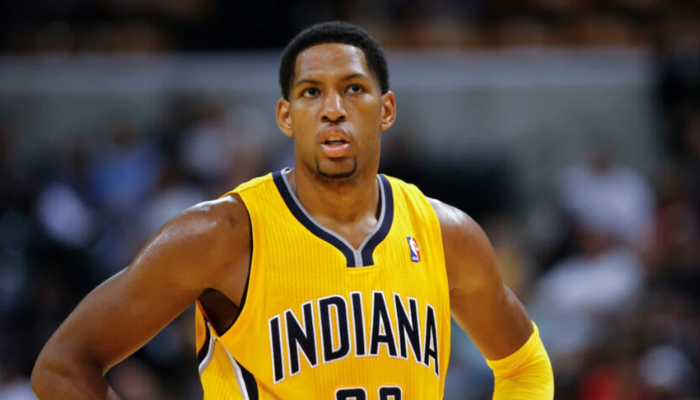
Jehovah Witness NBA players represent a rare intersection of professional sports excellence and unwavering spiritual devotion. In a league defined by intense schedules, global fame, and constant media attention, practicing Jehovah’s Witnesses face challenges unlike most athletes. Their faith emphasizes modesty, neutrality, and spiritual commitment—principles that can sometimes clash with the lifestyle of an NBA star.
Yet, throughout NBA history, several players have either openly identified as Jehovah’s Witnesses or were raised in the faith. Their stories reveal how belief systems influence career decisions, public behavior, and life after basketball. From declining lucrative contracts to prioritizing ministry work, these athletes have demonstrated that faith can be just as powerful as ambition.
This article explores the background, challenges, and lasting impact of Jehovah Witness NBA players, examining how religious conviction shapes identity in one of the world’s most competitive sports leagues.
Understanding Jehovah’s Witness Beliefs in Professional Sports
Jehovah’s Witnesses follow a faith centered on strict biblical interpretation, moral discipline, and a strong focus on preaching and spiritual growth. Unlike many other Christian denominations, Jehovah’s Witnesses avoid political involvement, patriotic displays, and certain celebrations. These principles can create tension in professional sports environments where national anthems, endorsements, and celebrity culture are common.
For NBA players, this belief system often influences how they approach fame and competition. Many Jehovah’s Witnesses prioritize humility and spiritual goals over personal recognition. This mindset can shape how players interact with teammates, media, and fans, often resulting in quieter public personas and limited engagement with celebrity-driven activities.
Additionally, Jehovah’s Witnesses emphasize clean living and personal discipline, traits that can positively influence an athlete’s physical conditioning and mental focus. While the NBA lifestyle presents temptations and distractions, players rooted in faith may find structure and purpose through religious commitment.
Notable Jehovah Witness NBA Players in History
One of the most frequently cited Jehovah Witness NBA players is Darren Collison, a former point guard who played for teams like the Indiana Pacers and Sacramento Kings. At the peak of his career, Collison made the surprising decision to step away from professional basketball, choosing instead to dedicate more time to his faith and ministry work. His decision sparked widespread discussion and highlighted the depth of his religious conviction.
Another notable name is Danny Granger, a former NBA All-Star who played primarily for the Indiana Pacers. Granger was raised as a Jehovah’s Witness, and although his personal religious journey evolved over time, his upbringing influenced his disciplined approach to basketball and life. His story demonstrates how early exposure to faith can shape long-term values.
Former NBA player Michael Jackson, who played for the Orlando Magic, also identified as a Jehovah’s Witness. Though his NBA career was relatively short, he became known for his commitment to faith and community outreach. These players collectively illustrate that Jehovah Witness NBA players may not always dominate headlines, but their influence is deeply felt.
Challenges Faced by Jehovah Witness NBA Players
The NBA’s demanding schedule can conflict with the religious responsibilities of Jehovah’s Witnesses. Meetings, ministry work, and spiritual study require time and consistency, which can be difficult during long road trips and playoff runs. Balancing these obligations requires immense discipline and personal sacrifice.
Another challenge involves public perception. Some fans and commentators struggle to understand why an athlete would decline endorsements, reduce media exposure, or even leave the league altogether for religious reasons. Jehovah Witness NBA players may face criticism or misunderstanding, despite making deeply personal and principled choices.
Team dynamics can also be affected. Locker room culture often includes celebrations, music, and traditions that may not align with Jehovah’s Witness beliefs. Navigating these environments while maintaining respect for teammates requires emotional intelligence and mutual understanding. Despite these challenges, many players find ways to coexist respectfully within the NBA framework.
How Faith Shapes Career Decisions and Life After Basketball
Faith often plays a defining role in how Jehovah Witness NBA players view success. Rather than measuring achievement solely by championships or contracts, many evaluate their lives based on spiritual fulfillment and service to others. This perspective can influence decisions about retirement, playing time, and long-term career planning.
For some players, stepping away from basketball becomes an act of faith rather than a setback. Choosing ministry or community service over continued competition reflects a belief that life’s purpose extends beyond professional accomplishments. This mindset challenges traditional definitions of success in sports.
After leaving the NBA, many former Jehovah Witness NBA players pursue lives centered on teaching, mentoring, and religious outreach. Their experiences in professional sports often enhance their ability to connect with others, providing relatable examples of discipline, sacrifice, and moral conviction.
Cultural Impact and Public Fascination
The stories of Jehovah Witness NBA players continue to intrigue fans because they challenge common narratives about fame and ambition. In a culture that often glorifies wealth and celebrity, these athletes offer an alternative perspective rooted in humility and purpose.
Media coverage of faith-driven decisions has increased public awareness of religious diversity within professional sports. While Jehovah’s Witnesses remain a small minority in the NBA, their presence highlights the league’s broader cultural and ideological diversity.
Ultimately, these players demonstrate that personal belief can coexist with elite performance. Their journeys inspire conversations about identity, values, and the true meaning of success in modern sports culture.
Conclusion
Jehovah Witness NBA players represent a unique and compelling blend of athletic excellence and spiritual dedication. Their stories reveal how faith can influence not only how athletes play the game, but how they live their lives both on and off the court. Whether through early retirement, disciplined lifestyles, or quiet leadership, these players redefine what it means to succeed in professional basketball.
As the NBA continues to evolve, the presence and stories of faith-driven athletes remind fans that behind every jersey is a deeply personal journey. For Jehovah Witness NBA players, that journey is guided by belief, purpose, and a commitment to something greater than the game itself.
Frequently Asked Questions (FAQs)
1. Are there currently active Jehovah Witness NBA players?
There are no widely confirmed active players at present, but several former players have openly identified with the faith.
2. Why did Darren Collison leave the NBA?
Darren Collison stepped away to focus on his responsibilities and service as a Jehovah’s Witness.
3. Do Jehovah’s Witnesses support professional sports careers?
The faith does not forbid sports but emphasizes balance and spiritual priorities.
4. Was Danny Granger a Jehovah’s Witness?
Danny Granger was raised as a Jehovah’s Witness, which influenced his early life and values.
5. Can Jehovah’s Witnesses participate in national anthems?
They typically remain neutral and do not participate in patriotic rituals.
6. How does faith affect NBA contracts and endorsements?
Some players may decline endorsements or publicity that conflicts with their beliefs.
7. Are Jehovah Witness NBA players open about their faith?
Some are very open, while others prefer to keep their beliefs private.
8. Does the NBA support religious diversity?
The NBA generally supports diversity and allows players to practice their faith freely.
9. Are there Jehovah’s Witness players in other sports?
Yes, athletes in football, baseball, and boxing have also identified as Jehovah’s Witnesses.
10. Why are fans fascinated by Jehovah Witness NBA players?
Their willingness to prioritize faith over fame challenges traditional views of success.
About the Author