The boylecheloid flower has recently captured the curiosity of plant enthusiasts, botanists, and nature lovers across the globe. Known for its unique botanical structure and intriguing name, the boylecheloid flower stands out as one of the most fascinating floral subjects in modern plant discussions. Whether you are a gardening enthusiast, a student of botany, or simply someone who appreciates the beauty of nature, learning about this remarkable flower can open a window into a deeper understanding of plant diversity.
What makes the boylecheloid flower particularly interesting is not only its aesthetic appeal but also its mysterious origins and symbolic significance. Many floral species have been studied extensively for centuries, yet some plants remain relatively obscure while still holding immense scientific and cultural value. The boylecheloid flower belongs to this category—an intriguing botanical subject that blends beauty, structure, and meaning.
In this comprehensive guide, we will explore the origin, characteristics, symbolism, cultivation methods, and ecological importance of the boylecheloid flower. By the end of this article, you will have a complete understanding of why this unique flower continues to gain attention in both botanical studies and gardening communities.
Origin and Botanical Background of the Boylecheloid Flower
The boylecheloid flower is believed to have originated in regions where diverse ecosystems allow rare floral species to thrive. Botanists often associate the flower with environments that provide balanced humidity, nutrient-rich soil, and moderate sunlight. These conditions allow the plant to develop its distinct floral structure and maintain its vibrant appearance throughout its blooming season.
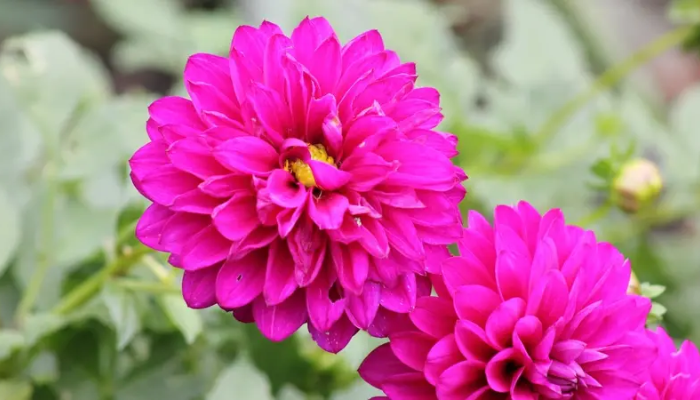
From a botanical perspective, the boylecheloid flower is admired for its distinctive morphology. Its petals often display intricate layering, and its coloration can vary depending on environmental factors such as soil composition and climate. This adaptability makes the plant a fascinating subject for botanists studying plant evolution and environmental responses. The flower’s structure often features symmetrical petal arrangements and delicate textures that make it visually appealing and scientifically interesting.
Another notable aspect of the boylecheloid flower is its ability to adapt to different climates when cultivated properly. Although it naturally thrives in specific ecological zones, gardeners and horticulturists have experimented with controlled environments to successfully grow the plant in other regions. This adaptability has contributed to growing interest in the flower among plant collectors and botanical researchers.
Unique Characteristics and Appearance of the Boylecheloid Flower
One of the most striking features of the boylecheloid flower is its visually captivating design. The petals typically form elegant patterns that give the flower a layered and textured appearance. These intricate details make it stand out among many ornamental flowers, which is why it is increasingly admired by gardeners and plant photographers alike.
Color variation is another defining characteristic of the boylecheloid flower. While some specimens appear in soft pastel shades, others may exhibit deeper and more vibrant hues depending on the environmental conditions in which they grow. This natural diversity adds to the plant’s charm and makes every bloom feel unique. The delicate fragrance often associated with the flower further enhances its appeal, making it attractive not only visually but also sensorially.
The plant’s foliage also contributes to its overall beauty. The leaves surrounding the flower often provide a striking contrast that highlights the bloom itself. These leaves are typically lush and structured, supporting the plant’s growth while also adding to its ornamental value. Because of this combination of features, the boylecheloid flower is sometimes used in botanical displays and decorative gardens designed to showcase rare plants.
Symbolism and Cultural Significance of the Boylecheloid Flower
Flowers have long been used as symbols in cultures around the world, and the boylecheloid flower is no exception. Many people associate it with themes of rarity, elegance, and mystery. Because it is not as widely known as some traditional flowers, it often symbolizes uniqueness and individuality.
In artistic and cultural contexts, the boylecheloid flower can represent creativity and transformation. Its layered petals are sometimes interpreted as a metaphor for personal growth and unfolding potential. For this reason, it has occasionally appeared in literature, decorative art, and botanical illustrations as a representation of beauty emerging through complexity.
Additionally, the flower can hold emotional significance for plant enthusiasts who cultivate it. Growing a plant that requires careful attention often creates a sense of accomplishment and connection with nature. For gardeners, the boylecheloid flower may symbolize patience, dedication, and appreciation for the delicate balance required to nurture living organisms.
How to Grow and Care for the Boylecheloid Flower
Growing the boylecheloid flower successfully requires an understanding of its preferred environment. Like many unique plant species, it thrives best in well-drained soil that is rich in organic matter. Gardeners often recommend using soil mixtures that allow proper aeration while retaining enough moisture to support healthy root development.
Lighting conditions are also important when cultivating this plant. The boylecheloid flower generally prefers moderate sunlight, meaning it grows well in locations where it can receive indirect light or partial shade. Too much direct sunlight may cause the petals to lose their vibrancy, while insufficient light can slow the plant’s growth. Maintaining a balanced environment is essential for encouraging healthy blooms.
Watering practices should also be carefully managed. Overwatering can damage the roots and lead to fungal issues, while underwatering may prevent the plant from reaching its full blooming potential. Regular but controlled watering helps ensure the plant remains healthy and produces beautiful flowers during its blooming season. Gardeners who pay close attention to these factors often find that the boylecheloid flower rewards them with stunning, long-lasting blooms.
Ecological Importance and Modern Interest in the Boylecheloid Flower
Beyond its aesthetic value, the boylecheloid flower may also contribute to ecological diversity. Flowers play a vital role in supporting pollinators such as bees, butterflies, and other beneficial insects. When cultivated responsibly, plants like the boylecheloid flower can help create habitats that support these important species.
Botanical research into rare or lesser-known plants has increased significantly in recent years. Scientists and horticulturists continue to study various plant species to understand their potential environmental and medicinal benefits. The boylecheloid flower, with its distinctive traits, is sometimes included in discussions about preserving botanical diversity and protecting plant species that may otherwise remain overlooked.
Modern gardening trends have also fueled interest in unusual and visually striking plants. Many gardeners now seek flowers that stand out from traditional options, and the boylecheloid flower fits perfectly into this category. Its unique name, rare appearance, and botanical intrigue make it an appealing choice for collectors who enjoy cultivating distinctive plants.
Conclusion
The boylecheloid flower represents a fascinating blend of natural beauty, botanical complexity, and cultural symbolism. From its intriguing origins and delicate structure to its deeper meanings and ecological contributions, this flower captures the imagination of anyone who encounters it. Although it may not yet be as widely recognized as some traditional floral species, its growing popularity suggests that more people are beginning to appreciate its unique qualities.
For gardeners, botanists, and nature enthusiasts alike, learning about the boylecheloid flower provides an opportunity to explore the richness of plant diversity. As interest in rare and distinctive plants continues to expand, this remarkable flower is likely to remain a subject of curiosity and admiration for years to come.
FAQs About Boylecheloid Flower
1. What is a boylecheloid flower?
The boylecheloid flower is a unique botanical species known for its layered petals, distinctive appearance, and growing interest among plant enthusiasts.
2. Where does the boylecheloid flower originate?
It is believed to originate from regions with balanced climates that support diverse plant ecosystems.
3. What makes the boylecheloid flower special?
Its intricate petal structure, color variation, and symbolic meanings make it stand out among ornamental flowers.
4. Can the boylecheloid flower be grown at home?
Yes, with proper soil, moderate sunlight, and controlled watering, it can be successfully cultivated in gardens or containers.
5. Does the boylecheloid flower have a fragrance?
Many varieties are known to produce a gentle and pleasant fragrance.
6. What does the boylecheloid flower symbolize?
It often symbolizes uniqueness, creativity, elegance, and personal growth.
7. Is the boylecheloid flower rare?
Compared to many common ornamental plants, it is relatively uncommon and attracts collectors interested in unique species.
8. What soil type is best for the boylecheloid flower?
Well-drained soil rich in organic matter is ideal for healthy growth.
9. Does the boylecheloid flower support pollinators?
Like many flowers, it can help attract pollinators such as bees and butterflies.
10. Why is interest in the boylecheloid flower increasing?
Its unusual name, distinctive appearance, and botanical intrigue make it appealing to modern gardeners and plant researchers.
About the Author