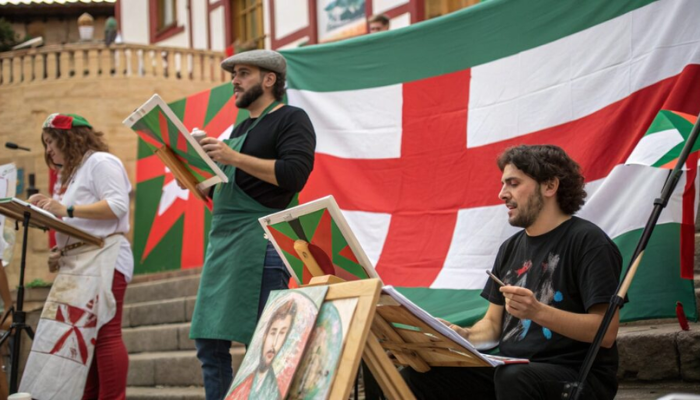
BasqueSeparatists have been a defining force in European political discourse for more than a century, representing a complex blend of cultural preservation, political aspiration, and historical grievance. Rooted in one of Europe’s oldest living cultures, the Basque separatist movement reflects a deep desire to protect language, identity, and self-rule in a rapidly globalizing world.
From peaceful activism to periods of armed struggle, basqueserpartists have evolved significantly over time. Understanding this movement requires examining its origins, ideology, political expressions, and its current role within democratic systems. This in-depth guide explores the past, present, and future of Basque separatism in a clear, informative, and engaging way.
Historical Origins of BasqueSeparatists
The roots of basqueserpartists stretch back centuries, long before modern nation-states were formed. The Basque people inhabited their territory with distinct customs and laws known as fueros, which granted local self-governance. When these privileges were gradually abolished in the 19th century by centralized governments in Spain and France, resentment began to grow among Basques who felt their identity was under threat.
Industrialization further intensified these tensions. As migration increased and political power centralized, early basqueserpartists began organizing around cultural revival and political autonomy. This period laid the ideological foundation for later nationalist movements, transforming cultural pride into organized political activism.
In the 20th century, repression during authoritarian rule—particularly under Francisco Franco—accelerated separatist sentiment. The Basque language was banned in public life, and regional autonomy was eliminated. These policies radicalized parts of the movement, leading to the emergence of armed resistance groups that would dominate headlines for decades.
Ideology and Core Beliefs of BasqueSeparatists
At the heart of basqueserpartists ideology lies the belief that the Basque people constitute a distinct nation. This belief is grounded in linguistic uniqueness, ancient ancestry, and a strong sense of collective identity. For many supporters, independence is not merely political—it is cultural survival.
Another core principle is the right to self-determination. Basqueserpartists argue that democratic choice should allow Basque citizens to decide their political future. While interpretations vary—from full independence to expanded autonomy—the underlying demand is respect for regional sovereignty.
Over time, ideology has diversified. Early movements were conservative and ethnically focused, while modern basqueserpartists often emphasize inclusivity, social justice, and environmental responsibility. This ideological evolution has helped the movement gain broader appeal beyond ethnic lines.
Political Movements and Armed Struggle
One of the most controversial chapters in basqueserpartists history involves armed resistance, most notably the organization ETA. Founded in 1959, ETA sought independence through violent means, conducting attacks that resulted in significant loss of life and widespread condemnation.
While ETA claimed to defend Basque rights, its actions polarized society and overshadowed peaceful political efforts. Many basqueserpartists rejected violence, advocating democratic participation instead. This internal division shaped public perception and government responses for decades.
In 2011, ETA declared a permanent cessation of armed activity, and later formally disbanded. This marked a turning point, allowing basqueserpartists to reframe their cause through nonviolent political channels. Today, democratic engagement has replaced militancy as the dominant strategy.
Cultural Identity and Language Preservation
Cultural preservation is central to the basqueserpartists movement. The Basque language, Euskara, is unlike any other in Europe and serves as a powerful symbol of identity. Efforts to promote bilingual education and public use of Euskara are seen as acts of resistance and pride.
Festivals, traditional sports, and regional cuisine also play vital roles. Basqueserpartists view cultural expression as inseparable from political autonomy. Maintaining traditions reinforces community cohesion and strengthens arguments for self-rule.
In recent decades, cultural initiatives have gained institutional support, particularly within the autonomous region of Basque Country. This success has demonstrated that cultural revival can thrive within democratic frameworks, reducing the appeal of extremism.
Modern BasqueSeparatists and Political Influence
Today’s basqueserpartists operate primarily through political parties, civic organizations, and grassroots movements. Parties advocating varying degrees of sovereignty participate actively in regional and national elections, shaping policy from within the system.
The modern movement emphasizes dialogue, human rights, and economic sustainability. Independence is often framed as a means to achieve better governance rather than an end in itself. This pragmatic approach has broadened support among younger generations.
Internationally, basqueserpartists draw inspiration from other autonomy movements, while adapting strategies to local realities. The focus on peaceful advocacy has improved global perception and positioned the movement as a legitimate democratic cause rather than a security threat.
Conclusion
Basqueserpartists represent far more than a political movement—they embody a centuries-old struggle to preserve identity, culture, and self-determination. From historical grievances to modern democratic participation, the movement has undergone profound transformation.
As violence has given way to dialogue, basqueserpartists now stand at a crossroads where cultural pride and political pragmatism intersect. Their future will depend on continued engagement, respect for democratic processes, and the ability to balance tradition with modern governance.
Frequently Asked Questions (FAQs)
- What does basqueserpartists mean?
It refers to individuals or groups advocating Basque independence or greater autonomy. - Where are basqueserpartists mainly located?
Primarily in northern Spain and southwestern France. - Is the basqueserpartists movement still active today?
Yes, mainly through political and cultural organizations. - Do basqueserpartists all support independence?
No, views range from full independence to increased autonomy. - Is violence still part of the movement?
No, the modern movement is largely peaceful and democratic. - Why is language important to basqueserpartists?
The Basque language is central to cultural identity and preservation. - How do basqueserpartists participate in politics?
Through regional parties, elections, and civic activism. - What impact did ETA have on the movement?
It brought international attention but also significant controversy. - Are basqueserpartists recognized internationally?
They are increasingly seen as a legitimate autonomy movement. - What is the future of basqueserpartists?
Likely continued political engagement and cultural advocacy within democratic systems.
About the Author