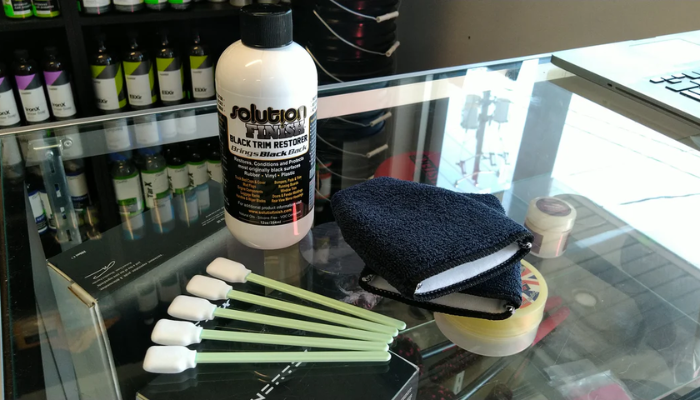
Solution Finish has become a go-to product for anyone frustrated with dull, gray, or sun-damaged plastic trim. From car enthusiasts to professional detailers, this innovative trim restorer has earned a strong reputation for delivering dramatic, long-lasting results where traditional products fall short. Unlike temporary dressings that wash away after a few rains, solution finish is designed to permanently restore the original color of faded plastic, vinyl, and rubber surfaces.
In this in-depth guide, we’ll explore what makes solution finish different, how it works, where it can be used, and why it’s considered one of the most effective trim restoration solutions available today. Whether you’re maintaining a daily driver, restoring an older vehicle, or looking to elevate your detailing results, understanding solution finish can make a noticeable difference in both appearance and longevity.
What Is Solution Finish and Why It Stands Out
Solution finish is a specialized plastic and trim restoration product formulated to penetrate deeply into faded surfaces. Instead of coating trim with oily silicones or gloss enhancers, solution finish works by reintroducing rich pigments that bond directly with the material. This process revives the original color rather than masking discoloration with a temporary shine.
What truly sets solution finish apart is its durability. Many trim products look good initially but fade quickly due to rain, UV exposure, and routine washing. Solution finish, however, is engineered to withstand harsh conditions, making it a preferred choice for long-term restoration. Once applied correctly, it can last months or even years, depending on environmental exposure and maintenance habits.
Another standout feature of solution finish is its professional-grade versatility. While it is widely used in automotive detailing, it is also effective on boats, motorcycles, RVs, and even household plastic components. This adaptability makes it more than just a cosmetic upgrade—it’s a functional restoration solution designed for real-world use.
How Solution Finish Restores Faded Plastic Trim
The effectiveness of solution finish lies in its science-backed formulation. Over time, plastic trim fades due to oxidation and prolonged UV exposure. As the surface degrades, it loses its original oils and pigments, resulting in the familiar chalky gray appearance. Solution finish addresses this issue at its core rather than treating surface symptoms.
When applied, solution finish penetrates the pores of the plastic and bonds with the material. The product contains carbon-based pigments that replicate the original factory color, creating a natural, satin finish instead of an artificial shine. This chemical bonding process ensures that the restored color doesn’t simply rinse away with water or detergent.
Equally important is how solution finish protects restored surfaces. By sealing the plastic after pigment absorption, it helps slow future oxidation and UV damage. This protective effect means that surfaces not only look better but also age more gracefully over time, reducing the need for frequent reapplication.
Benefits of Using Solution Finish Over Traditional Trim Dressings
One of the biggest advantages of solution finish is longevity. Traditional trim dressings rely on oils or silicones that sit on top of the surface. While these products may offer instant shine, they attract dust, streak in the rain, and fade quickly. Solution finish, by contrast, integrates with the material, offering results that last significantly longer.
Another benefit is appearance control. Solution finish delivers a natural, factory-fresh look rather than a greasy or overly glossy finish. This makes it ideal for users who prefer a clean, professional aesthetic. The restored trim looks rejuvenated, not artificially enhanced, which is especially important for high-end or classic vehicles.
Cost-effectiveness is also worth noting. While solution finish may cost more upfront than standard trim dressings, its durability means fewer applications over time. When factoring in long-term performance, reduced product usage, and superior results, solution finish often proves to be a more economical choice for serious users.
Where and How to Use Solution Finish Effectively
Solution finish is commonly used on exterior automotive trim such as bumpers, mirror housings, cowl panels, and fender flares. These areas are most susceptible to sun damage and oxidation, making them ideal candidates for restoration. It also performs exceptionally well on textured plastics, where other products tend to fail.
Beyond automobiles, solution finish is effective on boats, ATVs, motorcycles, and RVs. Any surface made from unpainted plastic, vinyl, or rubber that has faded due to environmental exposure can benefit from its restorative properties. Even certain household items like outdoor furniture and plastic fixtures can be revived with careful application.
Proper application is key to achieving the best results. Surfaces should be thoroughly cleaned and free of dirt, wax, or oils before use. Applying solution finish with a foam or microfiber applicator ensures even coverage, while removing excess product prevents streaking. Allowing sufficient curing time helps maximize durability and color depth.
Maintaining Results and Extending the Life of Solution Finish
Once solution finish has been applied, maintenance becomes simple but important. Regular washing with gentle cleaners helps preserve the restored finish without stripping away pigment. Avoiding harsh chemicals or abrasive tools will further extend the lifespan of the treatment.
Using UV-protective maintenance products can also enhance longevity. While solution finish already offers protection against sun damage, additional UV blockers can slow oxidation even further. This is especially beneficial in regions with intense sunlight or extreme weather conditions.
Reapplication is typically needed only after many months of exposure. Instead of constantly re-dressing trim, users can enjoy consistent results with minimal upkeep. This low-maintenance aspect is a major reason solution finish has gained such a loyal following among professionals and enthusiasts alike.
Conclusion
Solution finish has redefined what trim restoration means by offering a permanent, pigment-based solution rather than a temporary cosmetic fix. Its ability to restore original color, resist harsh environmental conditions, and deliver professional-level results makes it a standout choice in the world of surface restoration.
Whether you’re revitalizing a weathered vehicle or protecting valuable equipment from ongoing wear, solution finish provides a reliable, long-lasting answer to faded plastic trim. With proper application and maintenance, it not only enhances appearance but also extends the life of treated surfaces—making it a smart investment for anyone serious about restoration and care.
Frequently Asked Questions (FAQs)
1. What surfaces can solution finish be used on?
Solution finish works on unpainted plastic, vinyl, and rubber surfaces, especially exterior trim exposed to UV damage.
2. Is solution finish permanent?
While not technically permanent, solution finish is long-lasting and far more durable than traditional trim dressings.
3. Does solution finish leave a glossy finish?
No, it restores a natural, satin appearance similar to factory-new trim.
4. How long does solution finish last?
Results can last several months to years depending on exposure, maintenance, and environmental conditions.
5. Can solution finish be used on interior trim?
Yes, but it should be tested in a small area first to ensure color compatibility.
6. Is solution finish safe for painted surfaces?
It should not be applied to paint, as it is designed specifically for unpainted materials.
7. Does solution finish wash off in the rain?
No, once cured, it resists water, rain, and regular washing.
8. How often should solution finish be reapplied?
Most users only need to reapply after significant fading returns, often many months later.
9. Can beginners use solution finish successfully?
Yes, with proper preparation and careful application, beginners can achieve excellent results.
10. What makes solution finish different from trim restorer sprays?
Solution finish uses pigments that bond to the material, rather than surface oils that fade quickly.
About the Author