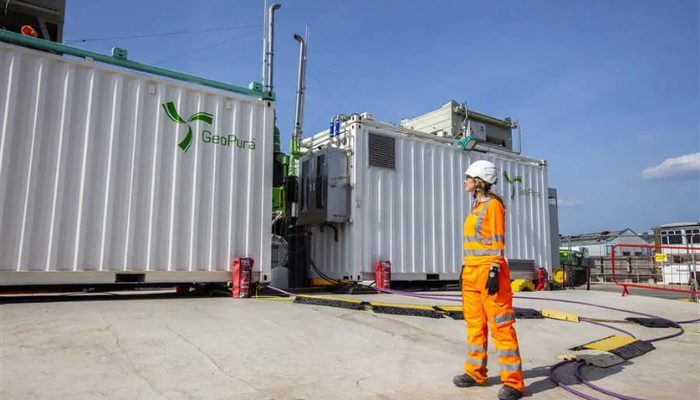
Hydrogen fuel cells in construction are emerging as one of the most promising clean-energy solutions in an industry long associated with heavy emissions, noise pollution, and fossil fuel dependence. As governments, developers, and contractors face increasing pressure to reduce carbon footprints without sacrificing performance, hydrogen-powered technologies are stepping into the spotlight. This shift is not just about environmental responsibility—it is about redefining how construction sites operate in the modern era.
Unlike traditional diesel-powered machinery, hydrogen fuel cells generate electricity through a chemical reaction between hydrogen and oxygen, producing only water vapor as a byproduct. This innovation aligns perfectly with global sustainability goals while maintaining the power, reliability, and endurance required for demanding construction environments. As infrastructure projects grow larger and greener, hydrogen fuel cells are becoming a viable and attractive alternative to conventional energy sources.
Understanding Hydrogen Fuel Cells and How They Work in Construction
Hydrogen fuel cells function by converting hydrogen gas into electrical energy through an electrochemical process. In construction equipment, this electricity powers motors, hydraulics, and onboard systems without combustion. The result is a highly efficient energy system that produces zero tailpipe emissions while delivering consistent power output—an essential factor for heavy-duty construction operations.
In construction settings, hydrogen fuel cells are typically integrated into excavators, loaders, cranes, generators, and even temporary site offices. These fuel cells can be paired with batteries to create hybrid systems, ensuring smooth energy delivery during peak loads. This combination allows machinery to perform just as effectively as diesel-powered equipment, but with significantly reduced environmental impact.
Another advantage lies in refueling speed. Unlike battery-electric machinery that may require hours to recharge, hydrogen fuel cell equipment can be refueled in minutes. This minimizes downtime on busy construction sites, preserving productivity while transitioning to cleaner energy sources. As hydrogen storage and distribution technologies improve, their application in construction continues to expand.
Environmental and Sustainability Benefits of Hydrogen Fuel Cells in Construction
One of the most compelling reasons for adopting hydrogen fuel cells in construction is their substantial environmental benefit. Traditional construction equipment is a major contributor to greenhouse gas emissions, particulate matter, and nitrogen oxides. Hydrogen fuel cells eliminate these emissions at the point of use, helping construction companies meet stricter environmental regulations and sustainability targets.
Beyond emissions reduction, hydrogen fuel cells significantly reduce noise pollution on construction sites. Diesel engines generate constant noise that affects workers and nearby communities. Hydrogen-powered machinery operates much more quietly, improving worker safety, communication, and overall site conditions. This benefit is particularly valuable for urban construction projects where noise restrictions are increasingly enforced.
Hydrogen fuel cells also support broader sustainability initiatives such as green building certifications and low-carbon infrastructure programs. By integrating hydrogen-powered equipment, construction firms can enhance their environmental credentials, attract eco-conscious clients, and future-proof their operations against tightening climate policies.
Applications of Hydrogen Fuel Cells Across Construction Equipment
Hydrogen fuel cells are already being tested and deployed across a wide range of construction equipment. Excavators and wheel loaders powered by hydrogen fuel cells demonstrate comparable torque and lifting capacity to their diesel counterparts. These machines are ideal for large-scale earthmoving projects where power consistency is critical.
Cranes and lifting equipment also benefit from hydrogen fuel cells, particularly in projects requiring extended operating hours. The stable energy supply ensures smooth lifting operations without the power fluctuations sometimes associated with battery-only systems. Additionally, hydrogen-powered generators are increasingly used for temporary power on remote construction sites where grid access is limited.
Beyond heavy machinery, hydrogen fuel cells are making their way into construction site infrastructure. Portable power units, lighting towers, and even heating systems can be powered by hydrogen fuel cells. This holistic integration reduces overall site emissions and supports a fully decarbonized construction workflow.
Economic Impact and Cost Considerations for the Construction Industry
While the upfront cost of hydrogen fuel cell technology remains higher than traditional diesel systems, long-term economic benefits are becoming more evident. Fuel efficiency, reduced maintenance requirements, and longer equipment lifespans contribute to lower total cost of ownership over time. Hydrogen fuel cells have fewer moving parts than internal combustion engines, which reduces wear and maintenance expenses.
As hydrogen production scales up and green hydrogen becomes more widely available, fuel costs are expected to decline. Government incentives, tax credits, and funding programs aimed at clean energy adoption further improve the financial feasibility of hydrogen fuel cells in construction. Early adopters may also gain competitive advantages by qualifying for low-emission project bids and public infrastructure contracts.
Additionally, investing in hydrogen fuel cells helps construction companies mitigate future financial risks. As carbon taxes, emission penalties, and fuel price volatility increase, hydrogen-powered equipment offers a more predictable and stable cost structure. This strategic shift supports long-term profitability while aligning with environmental goals.
Challenges, Infrastructure Needs, and Future Outlook
Despite their promise, hydrogen fuel cells in construction face several challenges. The most significant barrier is the current lack of hydrogen refueling infrastructure, particularly at remote or temporary construction sites. Transporting and storing hydrogen safely requires specialized equipment and regulatory compliance, which can complicate deployment.
Another challenge lies in hydrogen production methods. While green hydrogen produced from renewable energy is the most sustainable option, much of today’s hydrogen is still derived from fossil fuels. However, rapid advancements in electrolysis technology and renewable energy integration are accelerating the transition toward cleaner hydrogen production.
Looking ahead, the future of hydrogen fuel cells in construction appears highly promising. Industry collaboration, technological innovation, and supportive policy frameworks are driving adoption forward. As infrastructure expands and costs decrease, hydrogen fuel cells are poised to become a cornerstone of sustainable construction, reshaping how projects are powered worldwide.
Conclusion: The Role of Hydrogen Fuel Cells in the Future of Construction
Hydrogen fuel cells in construction represent a powerful convergence of sustainability, performance, and innovation. By delivering zero-emission energy without compromising productivity, they offer a realistic path toward decarbonizing one of the world’s most resource-intensive industries. From heavy machinery to site infrastructure, hydrogen fuel cells are redefining what is possible on modern construction sites.
As challenges around infrastructure and cost continue to be addressed, adoption is expected to accelerate. Construction companies that embrace hydrogen fuel cells today are positioning themselves as leaders in a cleaner, quieter, and more resilient future. The transition may be gradual, but the impact will be transformative for both the industry and the planet.
Frequently Asked Questions (FAQs)
1. What are hydrogen fuel cells in construction?
Hydrogen fuel cells in construction are energy systems that power machinery and equipment using hydrogen, producing electricity with water vapor as the only emission.
2. Are hydrogen fuel cells environmentally friendly?
Yes, they produce zero tailpipe emissions and significantly reduce noise and air pollution on construction sites.
3. Can hydrogen fuel cells replace diesel engines in construction equipment?
In many applications, yes. Hydrogen fuel cells provide comparable power and performance to diesel engines.
4. How long does it take to refuel hydrogen-powered construction equipment?
Refueling typically takes only a few minutes, similar to diesel, and much faster than battery charging.
5. Is hydrogen fuel cell technology safe for construction sites?
When properly handled and regulated, hydrogen fuel cells are considered safe and meet strict industry standards.
6. What types of construction equipment use hydrogen fuel cells?
Excavators, loaders, cranes, generators, and portable power units can all use hydrogen fuel cells.
7. Are hydrogen fuel cells cost-effective for construction companies?
While initial costs are higher, long-term savings from reduced maintenance and fuel stability can offset expenses.
8. What is green hydrogen, and why does it matter?
Green hydrogen is produced using renewable energy and is essential for maximizing the environmental benefits of hydrogen fuel cells.
9. Do hydrogen fuel cells reduce noise on construction sites?
Yes, they operate much more quietly than diesel engines, improving site conditions.
10. What is the future outlook for hydrogen fuel cells in construction?
The outlook is strong, with growing adoption driven by sustainability goals, technological advances, and supportive policies.
About the Author