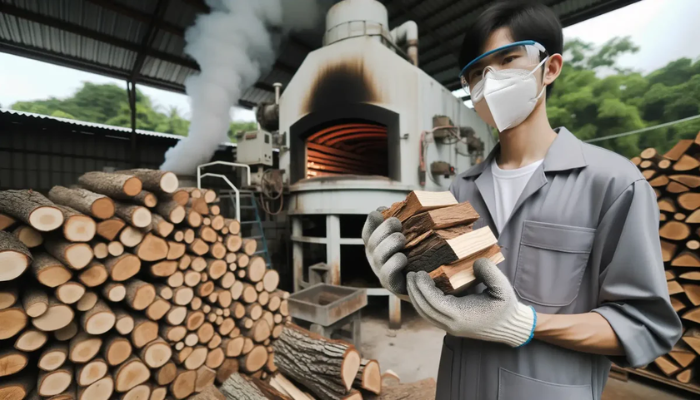
Kiln dried logs have become the preferred choice for homeowners seeking reliable, efficient, and clean-burning firewood. Whether you use a wood-burning stove, fireplace, chiminea, or outdoor fire pit, the quality of your firewood dramatically impacts heat output, smoke levels, and overall experience. Unlike seasoned logs that rely on natural drying over time, kiln dried logs are carefully dried in a controlled environment, resulting in exceptionally low moisture content and consistent performance.
The boom in popularity of kiln dried logs is no coincidence. People want long-lasting fires that light easily, burn hot, and produce minimal residue. At the same time, more individuals are becoming aware of how moisture impacts both energy efficiency and safety. This guide explores everything you need to know about kiln dried logs. You’ll learn how they’re made, their benefits, how to identify the best ones, and how to store them properly. By the end, you’ll be well-equipped to make an informed and satisfying choice for your home heating and fire enjoyment.
What Are Kiln Dried Logs?
Kiln dried logs are firewood that has been placed in a large drying chamber known as a kiln. Using carefully regulated heat and airflow, the wood is dried until it reaches a low moisture content, typically below 20 percent. This makes the logs easier to light and capable of producing a stronger, cleaner flame compared to traditionally seasoned wood. The controlled drying process ensures uniformity, so every log delivers predictable performance.
Natural seasoning relies on time and weather conditions, which can vary widely from region to region. A woodpile left outdoors may take six months to two years to dry properly, and even then it may still contain excess moisture. Kiln drying solves this inconsistency by targeting moisture directly. The process also kills insects, fungus, and mold spores, making kiln dried logs cleaner and safer to store indoors or in sheds.
Why Kiln Dried Logs Burn Better
The primary reason kiln dried logs burn better is the reduced moisture content. Water inside wood must evaporate before the log can ignite and burn efficiently. When too much moisture is present, energy that could be producing heat is instead spent forcing water out as steam. This results in lower heat output, excessive smoke, and soot buildup. Kiln dried logs skip this issue entirely and offer an efficient, clean burn from the moment the flame touches them.
Another reason kiln dried logs outperform seasoned wood is consistency in quality. Because the drying environment is controlled, every piece of wood is uniformly dried. This means you won’t encounter logs that burn slowly or create unnecessary smoke. A fire built with kiln dried logs produces a bright flame, cleaner air within the home, and less residue inside your stove or fireplace. This efficiency not only enhances comfort but also reduces the frequency of chimney cleaning and maintenance.
Benefits of Using Kiln Dried Logs
One of the greatest benefits of kiln dried logs is their ease of ignition. Instead of struggling to get your fire started or relying heavily on firelighters or kindling, kiln dried logs catch fire quickly. This not only simplifies fire-starting but also improves the overall experience of enjoying your fire. You get heat faster, with less frustration and waste.
Additionally, kiln dried logs are a more environmentally friendly option compared to poorly seasoned firewood. Because they burn hotter and more efficiently, they release fewer particulates into the air. Cleaner combustion means reduced environmental impact and better indoor air quality. If you live in an area with strict clean air regulations, kiln dried logs can help keep your household compliant.
How Kiln Dried Logs Are Made
The process of creating kiln dried logs begins by selecting quality hardwoods such as oak, ash, beech, or birch. These woods are preferred because they burn longer and hotter due to their dense structure. Once cut, the logs are placed inside a kiln where they undergo a cycle of heated air circulation. This monitored environment allows the wood to dry quickly without cracking or weakening the structure of the logs.
During the drying process, professional operators carefully track moisture levels using specialized instruments. This ensures the logs reach the ideal burn-ready moisture content. The drying cycle typically lasts anywhere from several days to a few weeks depending on the species and thickness of the wood. The final product is then bagged or bundled and ready for home use. The precision of this method guarantees consistent quality, making kiln dried logs one of the most reliable firewood options available.
How to Store Kiln Dried Logs Properly
To maintain the quality of kiln dried logs, proper storage is essential. While they arrive with low moisture, improper storage can cause them to reabsorb water from the environment. Ideally, logs should be stored in a dry, well-ventilated space. Outdoor log stores with a roof and open sides work well as they keep out rain while allowing air to circulate freely around the wood.
If storing logs indoors, ensure the location is dry and away from direct contact with concrete surfaces. Concrete can transfer moisture into the wood over time. Elevating logs on a pallet or wooden base is a smart move. Avoid covering logs completely with tarps or plastic sheets, as this can trap condensation. Instead, allow airflow while protecting them from precipitation. With good storage practices, kiln dried logs will retain their efficiency and burn quality year-round.
Conclusion
Kiln dried logs are an exceptional choice for anyone who values consistent performance, cleaner burning, and maximum heat output. Through precise drying methods, these logs offer a dependable and enjoyable fire experience with fewer hassles and less waste. They are ideal for homeowners, outdoor enthusiasts, and anyone who enjoys the comforting glow of a wood flame. By choosing kiln dried logs and storing them properly, you ensure every fire you build burns brighter, warmer, and cleaner.
Frequently Asked Questions
- What moisture content do kiln dried logs typically have?
Most kiln dried logs have a moisture content below 20 percent. - Are kiln dried logs better than seasoned logs?
Yes, they burn more efficiently, produce less smoke, and light more easily. - Can I use kiln dried logs in any wood-burning stove?
Yes, they are suitable for nearly all wood stoves, fireplaces, and fire pits. - Do kiln dried logs reduce chimney soot?
Yes, their cleaner burn results in less creosote buildup. - What types of wood are best when kiln dried?
Hardwoods such as oak, ash, beech, and birch are excellent choices. - How long do kiln dried logs last when stored correctly?
They can last several years if kept dry and well-ventilated. - Are kiln dried logs more expensive than seasoned logs?
They can cost more due to processing but are more efficient to burn. - Do kiln dried logs produce more heat?
Yes, they deliver higher heat output due to lower moisture levels. - Are kiln dried logs safe for indoor storage?
Yes, because they are free from mold and pests. - Do I need kindling with kiln dried logs?
You may still want kindling, but fires are much easier to start compared to seasoned logs.
About the Author