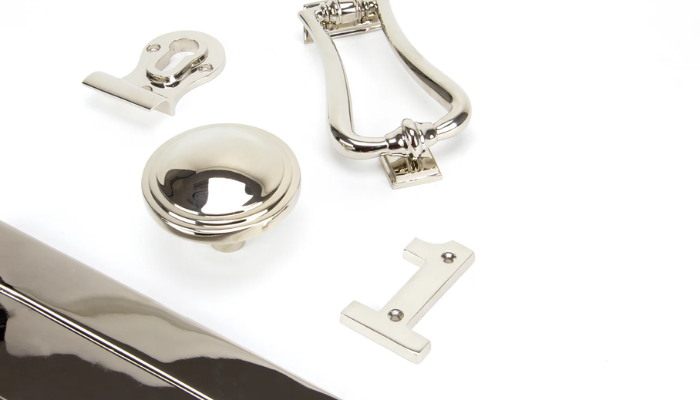
From the anvil is more than a simple phrase. It represents a philosophy of creation where heat, iron, and human craftsmanship converge to shape something meaningful and lasting. Today, the term “from the anvil” commonly refers to a respected tradition of metalwork, particularly in the creation of high-quality architectural hardware such as door handles, hinges, locks, cabinet fittings, lighting fixtures, and decorative household elements. Each piece reflects the layered history of blacksmithing: precision, artistry, and the essence of something made by human hands.
This concept holds a growing appeal in an age where convenience often leads to mass-produced, identical, disposable products. From the anvil encourages a return to intentional craftsmanship. These pieces carry character, subtle variations, and the quiet story of their making. They are the opposite of automatic perfection. They are sculpted with purpose, wielding tradition like an ember that continues to glow. Whether used in rustic cottages or contemporary homes, their presence adds soul.
The Meaning and Legacy of the Phrase “From the Anvil”
The phrase “from the anvil” finds its roots in blacksmithing, one of the oldest crafts in human civilization. An anvil is the foundational tool on which metal is shaped, heated, hammered, and cooled. To say something comes from the anvil implies it has been meticulously handmade. This distinguishes it from goods pushed along conveyor belts and stamped out by machines. It means each curve, bevel, and edge has experienced human touch and judgment. The legacy here is one of strength, longevity, and authenticity.
Beyond its literal meaning, the phrase has taken on symbolic value. It represents resilience and transformation. Metal begins its life as something rigid and unformed. The anvil and the smith collaborate to reshape it into a new identity. The process mirrors stories of endurance, adaptability, and reinvention. When something is said to come from the anvil, it carries a whisper of fire and resolve.
Materials and Techniques Used in Traditional Forging
Items made from the anvil are most often crafted from wrought iron or steel. These metals are ideal because they retain strength under heat and can be shaped repeatedly before taking their final form. Wrought iron in particular is known for its textured, fibrous structure that creates an organic appearance. When used in handmade hardware, it gives surfaces a tactile character that machine-made metal lacks.
The forging process involves multiple stages. First, raw metal is heated until it reaches a glowing orange hue. This allows it to become pliable. A blacksmith hammers, bends, twists, and folds it over the anvil to achieve the desired shape. This may sound simple, but mastery requires muscle memory, timing, and a deep understanding of how metal responds to force. The smith must anticipate how a hammer strike will influence curvature, thickness, and strength. The final piece often shows slight variations that highlight its individuality, turning imperfections into features.
Distinguishing Features of Handmade Hardware
When examining hardware made from the anvil, there are key characteristics that set it apart. These pieces often display visible hammer textures, making each surface subtly uneven in ways that feel intentional. The finish may include oil, wax, or specialized metal treatments that bring out depth rather than shine. These are pieces that do not shout with gloss; they express beauty through substance.
Additionally, handmade hardware comes with weight. The heft of a forged iron handle or knocker carries presence. When a door is opened using such a handle, the gesture feels anchored. This is not only practical but deeply sensory. Handmade pieces also tend to age gracefully. Rather than corroding or fading, the surface may darken, develop patina, and evolve with time. This natural evolution allows a home to tell its own story, rather than maintain a showroom-like permanence.
Integrating From the Anvil Pieces Into Interior Design
Designers and homeowners value from the anvil hardware because it fits seamlessly with a variety of design styles. In rustic or farmhouse-inspired interiors, the raw textures and organic forms complement wooden beams, stone fireplaces, and vintage décor. The pieces seem to belong there, as though they were discovered rather than purchased.
In modern or minimalist interiors, forged metal adds grounding contrast. Sleek spaces risk becoming overly sterile. A hand-forged latch or pendant light introduces warmth and artistry. It demonstrates that refinement does not require sameness. In eclectic spaces, these pieces act like punctuation marks, tying together diverse elements with a common language of craftsmanship. No matter the room, the result is character.
The Resurgence of Artisan Craftsmanship in Contemporary Life
The growing appreciation for from the anvil products reflects a broader cultural shift. People are increasingly seeking items with story and origin rather than anonymous production. This shift shows up in slow fashion, handmade ceramics, natural wood furniture, and small-batch textiles. There is a hunger for connection to the process of making. In a fast world, we seek objects that feel grounded.
Supporting artisans also encourages sustainable manufacturing. Handmade items typically involve less waste, fewer chemicals, and greater longevity. Buying fewer, better objects aligns with mindful living. When an item comes from the anvil, it is not simply a product. It becomes a lasting companion in the rhythms of daily life.
Conclusion
From the anvil represents an ancient dialogue between material and maker. Pieces forged by hand are not merely functional accessories. They are expressions of tradition, patience, and identity. Whether incorporated into a new build or a home full of memories, these pieces elevate space in a quiet but powerful way. They remind us that beauty is not only in what we see, but in how something is created.
Frequently Asked Questions
- What does “from the anvil” mean?
It refers to items that are handmade through traditional blacksmithing techniques on an anvil. - What materials are commonly used?
Mostly wrought iron and steel because they can be heated and shaped effectively. - Are from the anvil products handmade?
Yes, each piece is crafted individually by skilled metalworkers. - Why choose forged hardware over mass-produced hardware?
Forged hardware offers individuality, durability, and authentic craftsmanship. - Do forged pieces require maintenance?
Many finishes benefit from occasional waxing or oiling to preserve appearance. - Can forged hardware work in modern homes?
Absolutely. The contrast creates visual depth and sophistication. - Is forged iron durable?
Yes, it is known for its longevity and structural strength. - Does handmade metal look imperfect?
Slight variations are expected and add character rather than flaws. - How does forged hardware age?
It develops a natural patina that enhances its appeal over time. - Is this form of craftsmanship sustainable?
Yes. It prioritizes quality, long life, and low waste.
About the Author