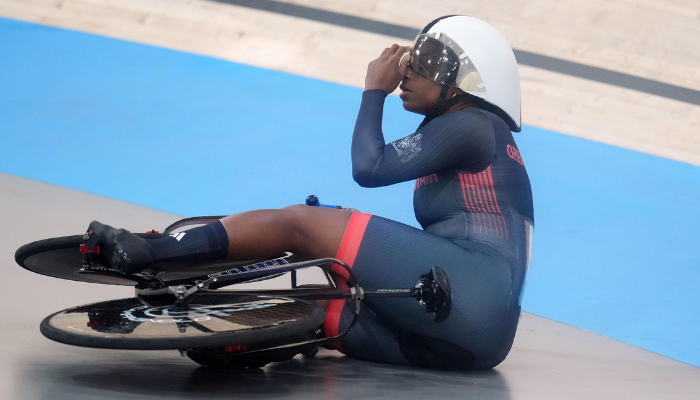
Kadeena Cox disability is a topic that continues to inspire, educate, and reshape conversations around inclusion in elite sport. As one of Britain’s most celebrated Paralympians, Kadeena Cox has transformed personal adversity into a powerful platform for excellence, advocacy, and hope. Her story is not simply about medals or records; it is about navigating life after a life-changing diagnosis and redefining success on her own terms.
From able-bodied athletics to becoming a double Paralympic champion, Kadeena Cox’s journey highlights the reality that disability does not signal the end of ambition—it can mark the beginning of an extraordinary new chapter. This article explores her disability in depth, how it has shaped her sporting career, and why her influence extends far beyond the track and cycling velodrome.
Understanding Kadeena Cox Disability and Medical Diagnosis
Kadeena Cox disability stems from a neurological condition that dramatically altered the trajectory of her life and athletic career. In her early twenties, while competing as an able-bodied sprinter, she was diagnosed with multiple sclerosis (MS). MS is a chronic autoimmune condition affecting the central nervous system, disrupting communication between the brain and the rest of the body. Symptoms can include muscle weakness, fatigue, numbness, and mobility challenges, all of which can fluctuate over time.
The diagnosis came as a shock, particularly for an athlete whose life revolved around physical performance. For many, MS can be unpredictable and emotionally overwhelming, often requiring individuals to reassess long-term goals. In Kadeena’s case, the diagnosis forced her to step away from able-bodied athletics, confronting the reality that her body was changing in ways beyond her control.
Despite the challenges associated with multiple sclerosis, Kadeena Cox disability did not define her limitations. Instead, it marked a turning point. Through medical guidance, self-discipline, and mental resilience, she began to understand how her condition affected her body and how to train safely within those boundaries. This understanding laid the foundation for her transition into Paralympic sport, where classification systems ensure fair competition for athletes with disabilities.
Life Before and After Kadeena Cox Disability
Before Kadeena Cox disability became part of her story, she was already a highly talented athlete. Competing as an able-bodied sprinter, she represented Great Britain at elite levels, demonstrating speed, power, and promise. Athletics was not just a passion; it was her identity. The sudden diagnosis of MS disrupted that identity, leaving her to navigate uncertainty about her future in sport.
The period following her diagnosis was emotionally complex. Like many individuals facing a newly acquired disability, Kadeena experienced grief for the career she believed she had lost. Adjusting to fluctuating symptoms, managing fatigue, and coping with the psychological impact of chronic illness required immense strength. This phase of her life is crucial to understanding her later success, as it highlights the mental resilience that would define her comeback.
Life after Kadeena Cox disability diagnosis eventually became a story of reinvention. Encouraged to explore Paralympic sport, she discovered new opportunities that aligned with her athletic strengths. Rather than viewing disability as a setback, she began to see it as a different competitive pathway. This shift in mindset was instrumental in her transformation from an able-bodied athlete facing retirement to a Paralympic champion redefining excellence.
Kadeena Cox Disability and Her Paralympic Classification
A key aspect of understanding Kadeena Cox disability lies in Paralympic classification. Classification systems are designed to ensure fair competition by grouping athletes based on how their impairment affects sporting performance. Due to the neurological impact of multiple sclerosis, Kadeena competes in classifications that reflect impairments affecting muscle power and coordination.
In track cycling, she competes in the C4 classification, which includes athletes with impairments such as limb deficiency, impaired muscle power, or neurological conditions. This classification acknowledges the functional limitations caused by MS while still allowing athletes to compete at the highest level. Kadeena’s ability to excel within this classification demonstrates not only her physical strength but also her technical mastery of the sport.
Kadeena Cox disability also influences her participation in para-athletics, where she has competed in sprint events. Balancing two sports at elite level is rare, even among able-bodied athletes. Her success across disciplines underscores the adaptability and strategic training required to manage a fluctuating condition like MS. Through careful planning, recovery management, and collaboration with medical professionals, she continues to perform at the pinnacle of Paralympic sport.
Achievements Shaped by Kadeena Cox Disability
Kadeena Cox disability has not limited her achievements; in many ways, it has shaped a career defined by historic success. She rose to prominence at the Paralympic Games, where she won multiple gold medals and became one of Team GB’s most recognizable Paralympians. Her victories in track cycling events showcased her explosive power, tactical intelligence, and unyielding determination.
Beyond medals, her achievements carry symbolic weight. Kadeena Cox disability challenges outdated assumptions about what athletes with chronic illnesses can achieve. Competing with MS requires constant adaptation, as symptoms can vary daily. Despite this unpredictability, she consistently performs at world-class level, demonstrating that excellence is not reserved for those with perfect health.
Her sporting success has also earned her national recognition, including prestigious honors celebrating her contribution to sport and society. These accolades reflect not only her athletic ability but also her role as a trailblazer for disability representation. Kadeena’s career illustrates that disability can coexist with elite performance, leadership, and influence on a global stage.
Advocacy, Representation, and the Wider Impact of Kadeena Cox Disability
Kadeena Cox disability extends its impact far beyond competition. As a high-profile Paralympian with a visible platform, she has become a powerful advocate for disability awareness and inclusion. By speaking openly about living with multiple sclerosis, she helps reduce stigma and increase understanding of invisible and fluctuating disabilities.
Her visibility matters in a world where disabled athletes are often underrepresented in mainstream media. Kadeena challenges stereotypes by presenting disability not as a weakness but as part of a complex human experience. Through interviews, public appearances, and social advocacy, she encourages conversations around accessibility, mental health, and equal opportunities in sport.
The broader impact of Kadeena Cox disability is evident in how she inspires future generations. Young athletes with disabilities can see themselves reflected in her success, while able-bodied audiences gain a deeper appreciation of resilience and adaptability. Her story reinforces the message that inclusion benefits everyone, creating a sporting culture that values diversity, perseverance, and excellence.
Conclusion
Kadeena Cox disability is not a narrative of limitation—it is a story of transformation, resilience, and extraordinary achievement. Diagnosed with multiple sclerosis at a critical point in her career, she faced uncertainty with courage and determination. Rather than stepping away from sport, she redefined her path, becoming one of the most successful and influential Paralympians of her generation.
Through her athletic accomplishments, advocacy, and openness about living with a chronic condition, Kadeena Cox continues to reshape perceptions of disability. Her journey serves as a reminder that challenges can become catalysts for growth, and that true strength lies in adaptability, self-belief, and the refusal to be defined by circumstance.
Frequently Asked Questions (FAQs)
1. What is Kadeena Cox disability?
Kadeena Cox disability is multiple sclerosis, a neurological condition affecting the central nervous system.
2. When was Kadeena Cox diagnosed with her disability?
She was diagnosed with multiple sclerosis in her early twenties while competing as an able-bodied athlete.
3. How does Kadeena Cox disability affect her daily life?
Her condition can cause fatigue, muscle weakness, and coordination challenges, which vary day to day.
4. Did Kadeena Cox compete before her disability diagnosis?
Yes, she was an elite able-bodied sprinter before being diagnosed with MS.
5. What sports does Kadeena Cox compete in?
She competes in para track cycling and para-athletics sprint events.
6. What Paralympic classification does Kadeena Cox compete in?
In cycling, she competes in the C4 classification, which includes athletes with neurological impairments.
7. Has Kadeena Cox won Paralympic medals?
Yes, she has won multiple gold medals at the Paralympic Games.
8. Is multiple sclerosis a progressive condition?
Yes, MS is typically progressive, but symptoms and progression vary widely between individuals.
9. How has Kadeena Cox disability influenced her advocacy work?
It has inspired her to raise awareness about disability, invisible illnesses, and inclusion in sport.
10. Why is Kadeena Cox disability story so inspiring?
Her story demonstrates resilience, adaptability, and the ability to achieve excellence despite chronic illness.
About the Author