How many units can you drive on — it’s a question many drivers ask before a night out, a celebration, or even a casual dinner with friends. Understanding alcohol limits is essential not only for your safety but also to stay on the right side of the law. The truth is, even a small amount of alcohol can affect your driving ability, and the exact number of “safe” units varies from person to person.
In this article, we’ll explore everything you need to know about alcohol units, legal drink-drive limits, and the factors that affect how much alcohol your body can handle before driving. By the end, you’ll understand how to make informed, responsible decisions every time you get behind the wheel.
What Are Alcohol Units and Why Do They Matter?
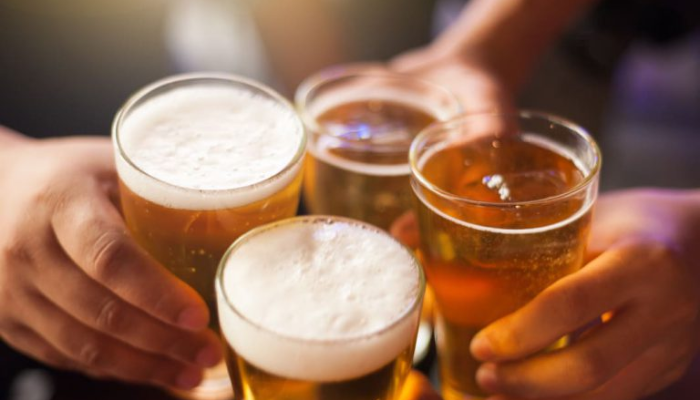
Alcohol units are a way of measuring the amount of pure alcohol (ethanol) in a drink. One unit equals 10 milliliters or 8 grams of pure alcohol. Understanding how many units you can drive on begins with knowing what a “unit” actually means and how it translates to your favorite beverages. For instance, a small glass of wine (125ml, 12% ABV) contains about 1.5 units, while a pint of regular beer (4% ABV) holds around 2.3 units.
The reason alcohol units matter so much is that they give a clearer picture of how much alcohol you’re consuming compared to relying on drink size alone. Different drinks and serving sizes can vary dramatically in strength. Knowing the unit content helps you track your intake accurately and assess whether it’s safe to consider driving afterward.
Legal Drink-Driving Limits: How Many Units Can You Drive On?
When people ask, “how many units can you drive on?”, they’re often hoping for a simple number. However, there isn’t one. The legal limit depends on where you are. For example, in the UK, the legal limit is 35 micrograms of alcohol per 100 milliliters of breath, or 80 milligrams per 100 milliliters of blood. But these measurements don’t directly translate to a set number of drinks or units because individual factors vary.
On average, most experts agree that even one drink can impair your judgment and reaction time. A rough guide suggests that a man may reach the legal limit after about 3 units, and a woman after 2 units. However, this isn’t guaranteed safe — metabolism, body weight, and how recently you’ve eaten can all influence how quickly alcohol is absorbed and eliminated from your system. The safest and most responsible answer is simple: if you’re driving, don’t drink at all.
How Your Body Processes Alcohol
To understand how many units you can drive on, you need to know how your body processes alcohol. Once you drink, alcohol is absorbed into your bloodstream through the stomach and small intestine. Your liver then breaks it down — but only at a steady pace, typically about one unit per hour. This means that if you drink four units, it may take four hours or more for your body to become alcohol-free.
However, alcohol metabolism isn’t consistent for everyone. Factors such as body weight, gender, age, and even genetic differences affect how quickly you process alcohol. For example, women often have a higher blood alcohol concentration (BAC) than men after drinking the same amount, due to differences in body composition and enzyme activity. Sleep deprivation, medication, and dehydration can also slow down alcohol elimination, meaning you might still be over the limit even after a night’s rest.
Common Myths About Alcohol and Driving
One of the most dangerous misconceptions surrounding how many units can you drive on is believing you can “sober up” quickly with coffee, cold showers, or food. These methods might make you feel more awake, but they do not reduce your blood alcohol concentration. Only time allows your body to break down alcohol effectively.
Another widespread myth is that experienced drinkers can handle more alcohol before becoming unsafe to drive. In reality, tolerance might make you feel less affected, but your coordination, reaction times, and decision-making skills are still impaired. The legal limit is based on measurable alcohol levels, not perceived sobriety. Believing these myths can easily lead to drink-driving offences, accidents, and lifelong consequences.
The Consequences of Exceeding the Limit
Knowing how many units you can drive on is vital because the consequences of getting it wrong can be severe. If you’re caught over the legal limit, you can face hefty fines, a criminal record, and a driving ban of at least 12 months. In more serious cases, you could even face imprisonment. Beyond the legal repercussions, there’s also the moral and emotional toll — causing an accident while under the influence can lead to devastating injuries or fatalities.
Even being slightly over the limit can have lasting effects on your driving license, insurance premiums, and career prospects. Many employers consider drink-driving convictions as grounds for dismissal, especially in professions that require driving or public trust. Ultimately, the cost of a few drinks before driving far outweighs any short-term enjoyment. The smartest move is always to plan ahead — arrange a taxi, a designated driver, or simply wait until you’re completely sober before getting behind the wheel.
Conclusion
So, how many units can you drive on? The most honest and safest answer is: none. While legal limits exist, alcohol affects everyone differently, and even small amounts can impair your ability to drive safely. Understanding units, the body’s metabolism, and the serious risks involved can help you make smarter, more responsible choices. When in doubt, leave the car keys at home and choose safety over risk.
FAQs About How Many Units You Can Drive On
1. How many units can you drink before driving legally?
There’s no universal answer — it depends on your body, gender, and the type of alcohol consumed. It’s safest not to drink at all before driving.
2. How long does it take for alcohol to leave your system?
On average, your body processes about one unit of alcohol per hour, but this can vary.
3. Can you drive the morning after drinking?
Yes, but be cautious — you might still be over the limit if you drank heavily the night before.
4. Does eating food reduce your blood alcohol level?
No. Eating can slow absorption but doesn’t reduce the amount of alcohol already in your system.
5. Is there a difference between men and women when it comes to alcohol limits?
Yes. Women generally have a higher blood alcohol concentration after drinking the same amount as men.
6. What happens if you’re caught over the drink-drive limit?
You could face fines, imprisonment, and a driving ban of at least one year.
7. Can I drive after one glass of wine?
It depends on your body size, metabolism, and the strength of the wine, but even one glass can impair your driving.
8. Do breathalyzers measure units directly?
No, they measure alcohol concentration in your breath, which is converted to an equivalent blood alcohol level.
9. Can I speed up sobering up by drinking water or coffee?
No. Only time can reduce alcohol levels in your system.
10. What’s the safest approach to drinking and driving?
The safest approach is not to drink any alcohol at all before driving.
About the Author