When people search for “Elizabeth Rizzini disability,” they often expect to uncover a hidden story about the British weather presenter’s health or personal challenges. Yet, the real story is far more insightful and layered. This article dives deep into who Elizabeth Rizzini is, why this particular search term trends online, and how her life connects to themes of disability, advocacy, and representation. By the end, you’ll understand not only the facts but also why her story resonates with so many people.
Who Is Elizabeth Rizzini?
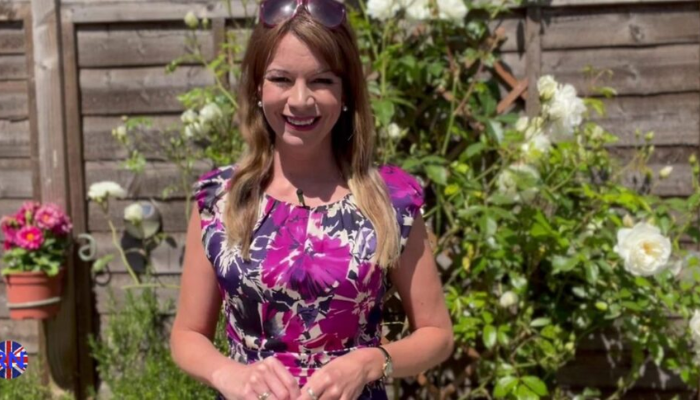
Elizabeth Rizzini is a well-known British weather presenter and journalist recognized for her professionalism, eloquence, and dedication to climate and environmental issues. She has worked for various BBC regional and national platforms, earning respect for her clarity, accuracy, and calm presentation style. Her background in meteorology and environmental journalism sets her apart as someone deeply invested in science communication.
Outside her career, Elizabeth is known for her love of languages and culture. She speaks Spanish and Italian fluently and has lived in different parts of Europe, enriching her worldview. She is also passionate about fitness and endurance sports, having participated in marathons and charity events. These facets of her life paint a picture of a driven, articulate, and compassionate professional who balances personal achievement with a commitment to public service.
The Origin of the “Elizabeth Rizzini Disability” Search Term
The phrase “Elizabeth Rizzini disability” has captured online curiosity, but it originates from a common misunderstanding. Elizabeth Rizzini herself does not have a disability. Instead, the phrase gained popularity because of her partner, Frank Gardner, a respected BBC Security Correspondent who became paralysed from the waist down after being shot while on assignment in Saudi Arabia.
Over time, many people mistakenly linked Elizabeth Rizzini’s name directly to disability due to her close association with Gardner. This confusion led to the widespread use of the phrase in online searches. Essentially, the search trend reflects people’s curiosity about her connection to Gardner’s story — not any personal disability of her own. Understanding this distinction is key to appreciating her role and presence in both media and public life.
Elizabeth Rizzini’s Connection to Disability Awareness and Advocacy
Although Elizabeth Rizzini does not live with a disability, her life and relationship have made her an inadvertent advocate for awareness and inclusion. Through her relationship with Frank Gardner, she has become part of conversations about accessibility, rehabilitation, and living fully despite physical limitations.
Her visibility in the media allows her to subtly promote understanding and acceptance of people with disabilities. She embodies a modern form of advocacy — one grounded in empathy, support, and representation rather than overt activism. Her story reminds us that disability advocacy isn’t only about those who experience disability firsthand but also about the partners, families, and friends who help shape public understanding and challenge stereotypes.
Clearing Misconceptions: Facts Over Fiction
One of the most important parts of discussing “Elizabeth Rizzini disability” is addressing misconceptions. First, it is essential to state clearly that Elizabeth Rizzini does not have any disability. Many websites, forums, and social media posts have unintentionally spread confusion by linking her name to disability-related keywords.
Another misconception is that her professional success is somehow linked to her partner’s story. In truth, Elizabeth Rizzini’s career achievements stand entirely on their own. She is an accomplished journalist and meteorologist who has earned her reputation through years of experience and expertise. Her relationship does not define her career — instead, it adds another layer of depth and humanity to her public image.
Recognizing these facts helps create a more respectful and accurate representation of Elizabeth Rizzini, while also showing how easily misinformation can spread online. Accurate storytelling and empathy are crucial in preserving the dignity of public figures and those connected to disability narratives.
The Broader Meaning Behind the Story
The popularity of the term “Elizabeth Rizzini disability” reveals something larger about our culture: people are drawn to stories that reflect resilience, partnership, and human strength. While Elizabeth Rizzini herself is not disabled, her association with a person who is has made her part of a broader discussion on how society perceives disability and those connected to it.
This connection has meaningful implications. It highlights how love, support, and understanding can bridge the challenges faced by people living with disabilities. It also shows how the media plays a role in shaping public perception. By seeing Elizabeth Rizzini and Frank Gardner living vibrant, successful lives, audiences are reminded that disability does not define one’s potential or limit one’s contribution to society.
In this way, the story becomes more than just a headline or search trend — it becomes a reflection of inclusion, resilience, and human compassion. Elizabeth Rizzini’s presence in this dialogue serves as a reminder that awareness can come not only from personal experience but also from shared empathy and advocacy.
Conclusion
The term “Elizabeth Rizzini disability” may have started as a misunderstanding, but it has evolved into a powerful reflection of how stories about disability, partnership, and strength capture the public’s attention. Elizabeth Rizzini does not have a disability herself, yet her association with Frank Gardner — and the dignity with which they both live their lives — has made her part of an important conversation about awareness and inclusion.
Her story teaches us that empathy, respect, and accurate representation are vital in how we discuss disability in the media. It also reminds us that every person connected to this dialogue — whether directly or indirectly — contributes to creating a more inclusive, understanding world.
Frequently Asked Questions (FAQs)
1. Does Elizabeth Rizzini have a disability?
No. Elizabeth Rizzini does not have a disability. The confusion arises because of her relationship with Frank Gardner, who uses a wheelchair.
2. Why is “Elizabeth Rizzini disability” a trending search?
The term trends because of public interest in her connection to Frank Gardner and curiosity about their story.
3. Who is Frank Gardner?
Frank Gardner is a BBC journalist and security correspondent who became paralysed after being shot in 2004.
4. What is Elizabeth Rizzini’s profession?
She is a BBC weather presenter and journalist with expertise in meteorology and environmental reporting.
5. Is Elizabeth Rizzini involved in disability advocacy?
While not a formal activist, she indirectly supports disability awareness through her visibility and relationship.
6. What misconceptions exist about Elizabeth Rizzini?
The main misconception is that she has a disability herself, which is untrue.
7. How does she inspire others?
Through her professional achievements and compassionate public presence, she inspires resilience, empathy, and understanding.
8. What message does her story convey about inclusion?
Her story emphasizes that inclusion means understanding, respect, and seeing beyond physical limitations.
9. How does the media portray Elizabeth Rizzini and Frank Gardner?
The media often highlights their partnership as an example of strength, understanding, and mutual respect.
10. What can we learn from the “Elizabeth Rizzini disability” discussion?
We learn the importance of fact-checking, empathy, and appreciating people for their authentic contributions, not assumptions.
About the Author