In both the fashion and apparel industry, a good idea alone is not enough. A design only becomes a real product when manufacturers clearly understand what needs to be made. That’s where a tech pack solution becomes essential.
A tech pack (Technical Package) is basically stated as the instruction manual for a garment. It reveals to the manufacturer everything about the product, ranging from measurements and materials to stitching details, as well as labeling. Without a proper tech pack, it leads to miscommunication and wrong samples, delays, and extra costs.
Today, many brands use an online tech pack maker to simplify this process. There’s no need to create complicated documents manually; designers can build organized tech packs that factories can stick on without confusion.
Go ahead with the step-by-step process to create a professional clothing tech pack with confidence.
Start With the Design Concept
Every tech pack commences with the design idea. This is either a sketch, reference image, or digital illustration. The entire goal is simple: to clearly reveal what the garment should look like.
Your sketch not only relies on perfect artwork, but it’s also about clarity, too. It provides both front and back views of the garment, so the manufacturer entirely understands the structure.
Now, many modern brands use an online tech pack maker because it takes sketches and instantly organizes them into a professional format.
Add Detailed Technical Sketches
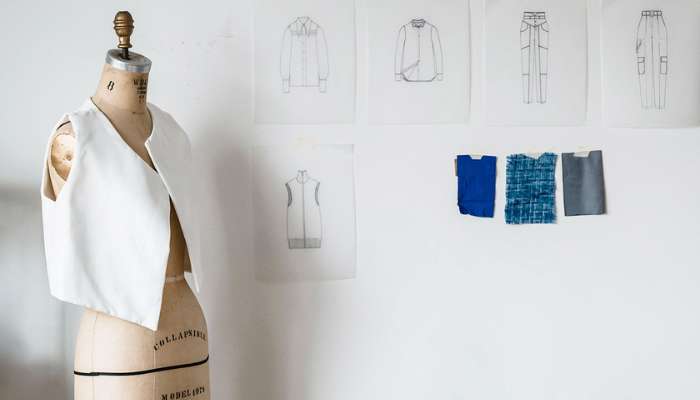
Once the concept is ready, you have to transform it into technical sketches. These are simplified line drawings that entirely reveal the garment construction clearly.
Technical sketches should include:
- Front view
- Back view
- Close‑up details (pockets, collars, buttons, etc.)
These sketches assist manufacturers in seeing how each aspect fits together. A clothing tech pack designer most probably focuses on this stage as its accurate visuals prevent misunderstandings during production.
Specify Fabric and Materials
The very next step is defining what materials will be used.
Your tech pack should mention:
- Fabric type
- Fabric composition (cotton, polyester, etc.)
- Fabric weight
- Color options
- Trims and accessories
In addition to that, buttons, zippers, labels, and threads should be included. You should be specific, as it assists manufacturers in sourcing the correct materials.
A good tech pack maker, like Aitechpacks keeps all these details organized in one place, so factories don’t have to search through multiple files.
Include Measurements and Size Specs
Measurements are one of the immensely important parts of a tech pack.
Every garment must be loaded with a size specification sheet that lists measurements such as:
- Chest width
- Shoulder width
- Sleeve length
- Garment length
Brands most probably define one base size and then provide you with grading rules for other sizes.
Once this information is clearly structured, the production teams can produce accurate samples without repeated revisions. This is why many factories entirely depend on a tech pack maker for producing measurement tables quickly.
Define Construction Details
Next comes garment construction.
This section reveals how the garment should be assembled. It may include:
- Stitch types
- Seam placements
- Hem finishing
- Pocket construction
Brands typically based heavily on these instructions during manufacturing. A professional clothing tech pack designer most often adds annotations as well as notes directly on the technical sketches. By doing so, nothing is left open to interpretation.
Add Branding and Labeling Instructions
Brand identity is the most prominent element in apparel production.
Your tech pack should clearly specify:
- Brand labels
- Care labels
- Hang tags
- Logo placements
Include exact measurements as well as positions for each label. Even small differences in label placement can entirely change the final look of a garment.
Using an online tech pack maker makes it easier to visualize these placements prior to production beginning.
Include Colorways
Most garments are created in multiple colors. Instead of producing separate tech packs for each variation, designers most probably loaded a colorway section.
This part shows:
- Available colors
- Fabric color codes
- Trim color variations
A structured tech pack maker assists in presenting these variations clearly, so the manufacturers can track them without confusion.
Add Notes for Manufacturers
Finally, it’s important to include general production notes. These may cover things like:
- Packaging instructions
- Quality standards
- Special stitching requests
- Fabric washing requirements
Even small notes can save time during sampling as well as bulk production.
Many brands prefer using a tech pack maker because it enables them to keep these instructions organized as well as editable in one document.
Why Tech Packs Matter More Than Ever?
Today, fashion production is often global. A brand might be designed in one country, and the manufacturing process is in another. Without clear tech-pack documentation, communication gaps can easily happen. A detailed and legitimate tech pack solves that problem.
With it, manufacturers can attain a clear roadmap. Even you can find that it ensures that what gets produced entirely matches the designer’s vision. No matter whether you’re an independent designer or a growing fashion brand, proceeding with the right online tech maker can prevent costly mistakes later.
About the Author